Tampa Bay runs one of Florida's richest urban wildlife calendars — resident dolphins, wintering manatees, nesting turtles and seabirds — and seeing it well is mostly knowing the clock. The field guide:
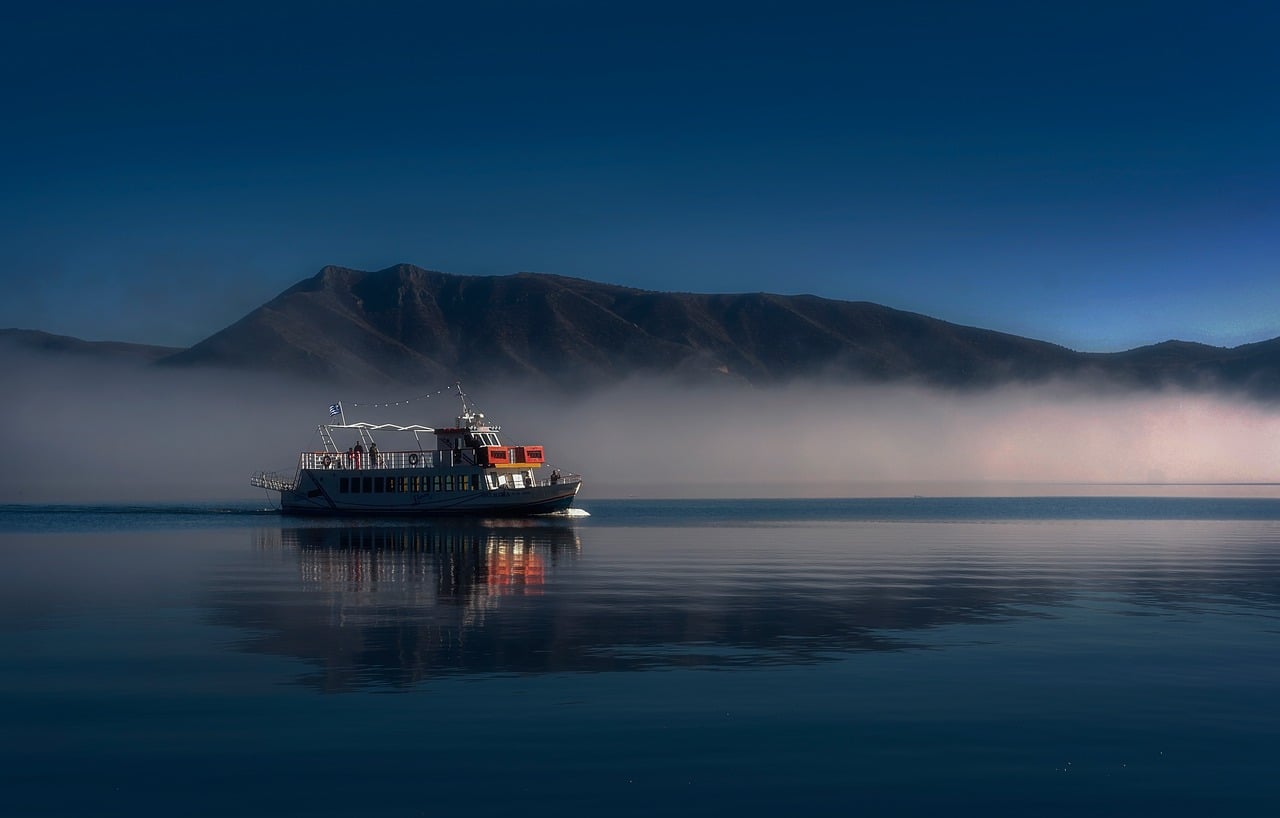
Dolphins: the year-round certainty. The bay's bottlenose are residents with mapped home ranges, and the tidal passes concentrate their hunting on schedule — which is why John's Pass cruises post hit rates near certainty and the Egmont ferry's crossings double as dolphin tours. Behavior peaks on moving tides (bow-riding, seawall strand-feeding, spring's calf lessons in the quiet coves); morning glass favors photographers; and the ethics line is bright — reputable boats never feed or chase, and the pods' habituation-without-handouts is exactly why sightings stay natural.
Manatees: winter's gathering. Cold snaps send the sea cows to warm water en masse — the famous aggregation at the TECO power plant's Manatee Viewing Center in Apollo Beach (free, boardwalked, peak on the coldest mornings November through March) is the bay's great seasonal spectacle — while ZooTampa's critical-care hospital shows the species' emergency room year-round and summer paddlers meet singles grazing the grass flats. The rules carry federal weight: no touching, no water offerings, idle speed in the zones — the props are what the hospital treats.
Sea turtles: the summer shift. Loggerheads nest the Gulf beaches May through October — marked nests rope off the dunes, lights-out ordinances dim the beachfront (the Don to Clearwater's resorts all comply; your blackout curtains are part of the system), and hatchling season's rules are simple: darkness, distance, and flashlights off. The rescue tier tells the rest: Clearwater Marine Aquarium's turtle wing runs patients from ICU to release, the bay's best conservation storytelling.
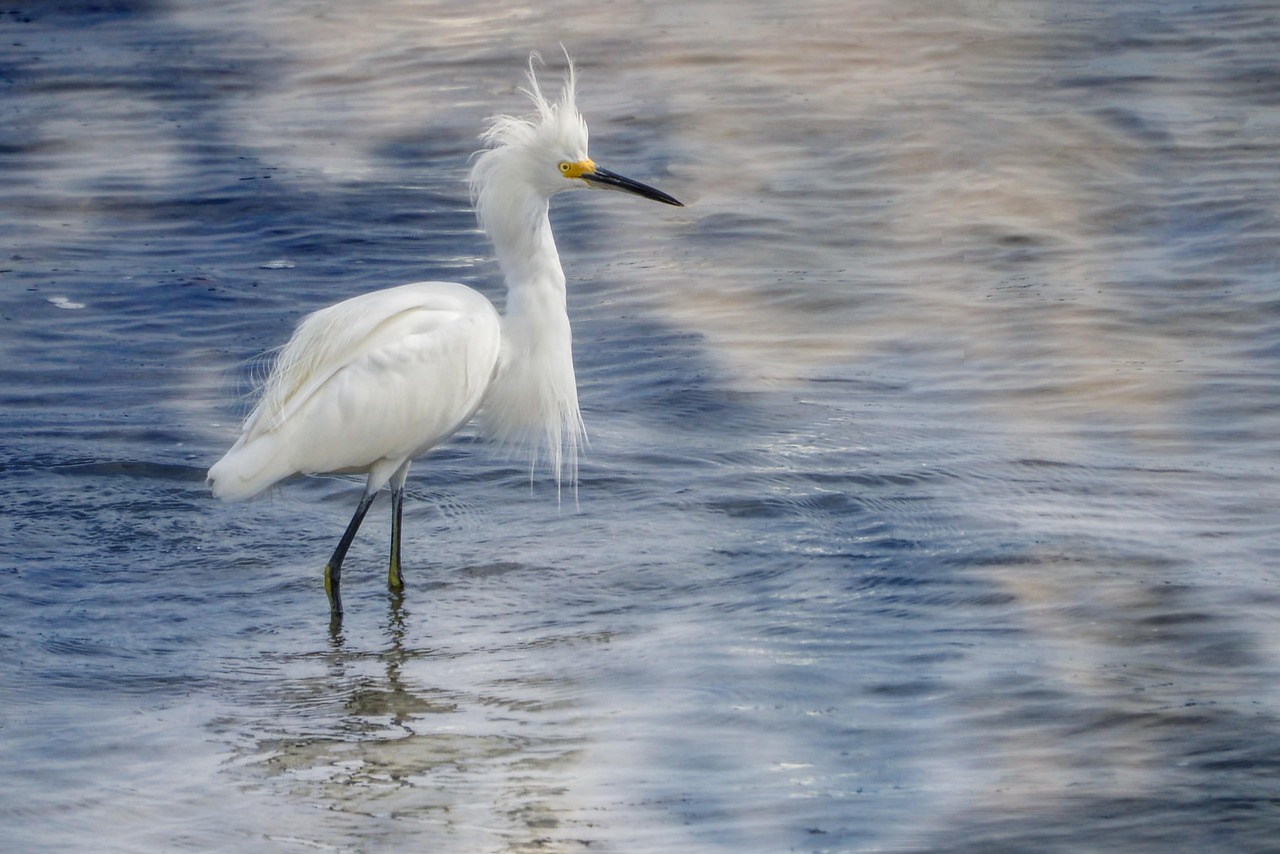
Birds: the colonies that close the islands. The unbridged islands exist for the birds as much as the visitors — Shell Key and Egmont's posted sanctuaries protect skimmer, tern, and oystercatcher colonies (nesting peaks spring-summer; the closures are patrolled and non-negotiable) — while Fort De Soto ranks among the East's great spring-migration hotspots, April's warbler fallouts drawing binoculars from across the country. Ospreys run the year-round aerial show; winter rafts the shorebird flocks.
The institutions and the itinerary. The rescue triangle — Clearwater's dolphins and turtles, ZooTampa's manatees, the Florida Aquarium's coral lab — turns tickets into funding and kids into conservationists; pair it with the wild calendar (a John's Pass morning, a winter TECO pilgrimage, an Egmont crossing) and the bay delivers more legitimate wildlife than destinations charging triple. The one rule over all of it: this is a working ecosystem wearing a tourism costume — give the animals the right-of-way the locals do, and the show runs forever.