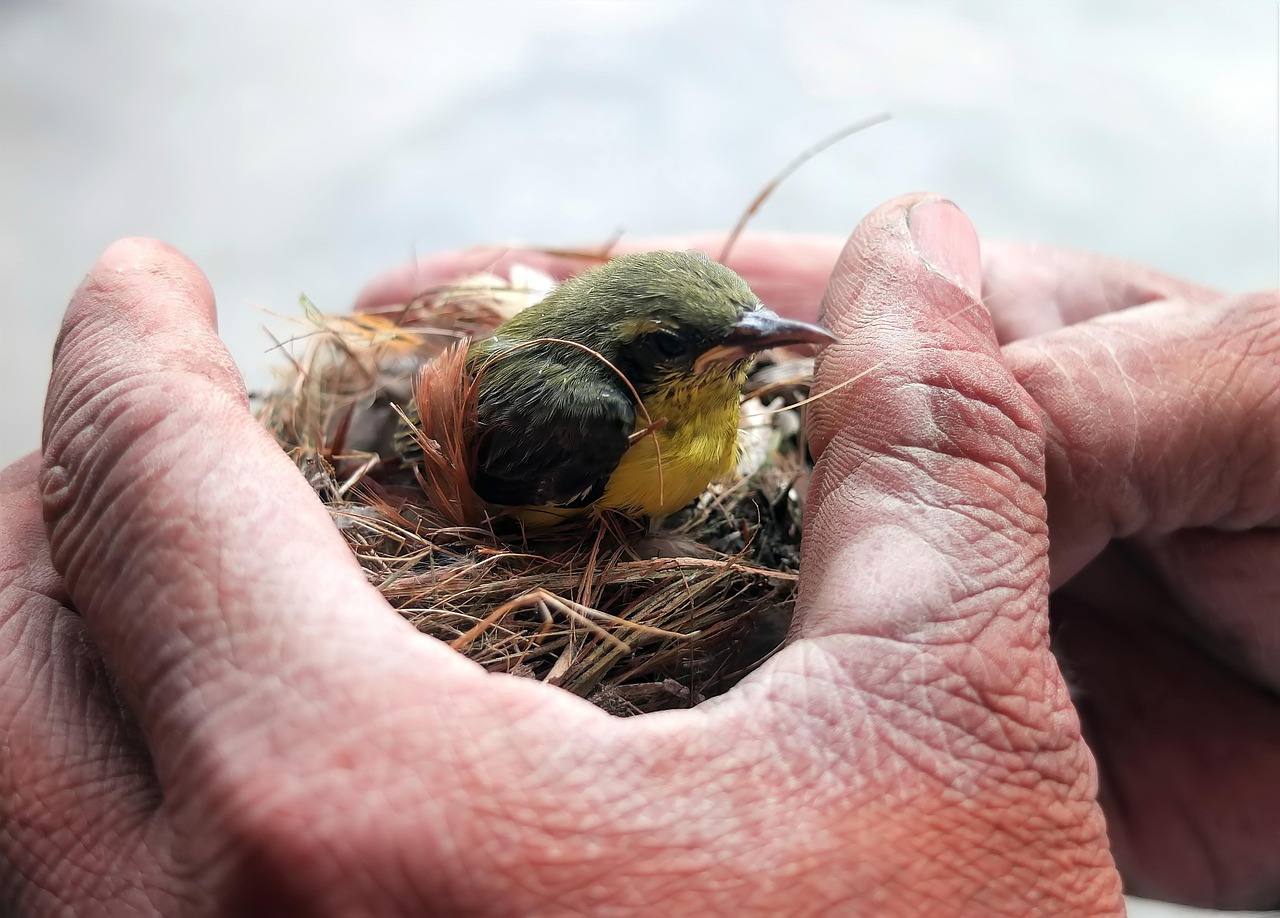
Honeymoon Island State Park
The wild island you can drive to
⏱ Half-full day👤 All ages$
Get Tickets
Get Honeymoon Island Tickets
Skip the line · mobile tickets accepted at the door
The island got its name in the late 1930s and 1940s, when a developer built thatched bungalows for honeymooners and promoted it in national magazines; before that it was Hog Island, and a 1921 hurricane split it from what is now Caladesi Island. The state later acquired it as a park, and today it is one of the most-visited state parks in Florida, with a causeway that makes it feel more accessible than its wilder neighbor. The park covers about 2,824 acres with roughly four miles of beaches, and its habitats run from coastal strand and pine flatwoods to maritime hammock, mangroves, tidal flats and seagrass beds, which is why it is a fixture on the Great Florida Birding Trail.
Visit craft: go early for parking and wildlife. The Osprey Trail, reached from the large parking area at the end of the entrance road, is one of the best places in the region to see nesting ospreys and is at its best in the cool morning; the Pelican Trail follows Pelican Cove on the bay side. Look for bald eagles and reddish egrets year-round, oystercatchers, least terns and snowy plovers on the beaches, and painted buntings and warblers in the spring and fall migrations. Then pick a beach: the main swimming beaches near the concession, the quieter northern beaches beyond the trail, or the pet beach on the south. Shellers should walk the wrack line after a high tide. The Rotary Centennial Nature Center near the entrance has indoor activities for kids. If you are adding Caladesi, buy ferry tickets early and plan the island day around the boat times. Bring bug spray for the trail and plenty of water; concessions are limited.
Practicals and fit: at the west end of the Dunedin Causeway (State Road 586); open daily from 8 a.m. to sundown, with a per-vehicle entry fee. Allow a half day, a full day with Caladesi. Fit: beaches, families (with or without dogs), couples who like a nature walk with their beach day, and birders.
What to Expect
Format
A causeway-reached state-park island with natural sand-and-shell beaches, the Osprey and Pelican Cove nature trails, a nature center, a pet beach, and the departure dock for the Caladesi Island ferry.
Best Time
Early morning for parking, birds and cooler trail walking; winter and spring for nesting raptors.
Duration
Half a day, or a full day combined with Caladesi.
Tips
Bring water, bug spray and shade. Some bathhouses were still closed in late 2025, with portable restrooms instead. Leash dogs and keep them to the pet beach and trails. Book the Caladesi ferry early in the day.
⚡ Quick Picks
Best For
Natural beach and a real nature walk, no boat required.
Families
Calm water, shells to collect, and a beach where the dog can come too.
Couples
A morning trail walk among ospreys and eagles, then a quiet stretch of sand.
Pair With
Caladesi Island by ferry from the same park; Dunedin downtown for lunch.
Time Needed
Half a day.
Ready to book Honeymoon Island?
Get Tickets →Frequently Asked Questions
Is Honeymoon Island open after the hurricanes?
Yes. The park reopened in stages after the 2024 storms and was largely open by late 2025, though some bathhouses were still closed with portable restrooms available. Check the state park page before you go.
How much does it cost?
There is a per-vehicle entry fee for the state park; the Caladesi ferry, if you take it, is a separate ticket.
Can we bring our dog?
Yes — leashed dogs are allowed on the pet beach at the southern end and on the nature trails, but not on the main swimming beaches.
Is it a good shelling beach?
Yes, it is known more for shells than for pure white sand; walk the tide line after high tide for the best finds.
What wildlife might we see?
Ospreys, bald eagles and great horned owls along the Osprey Trail, gopher tortoises, shorebirds, and dolphins offshore.
More Egmont Key Attractions
Browse all →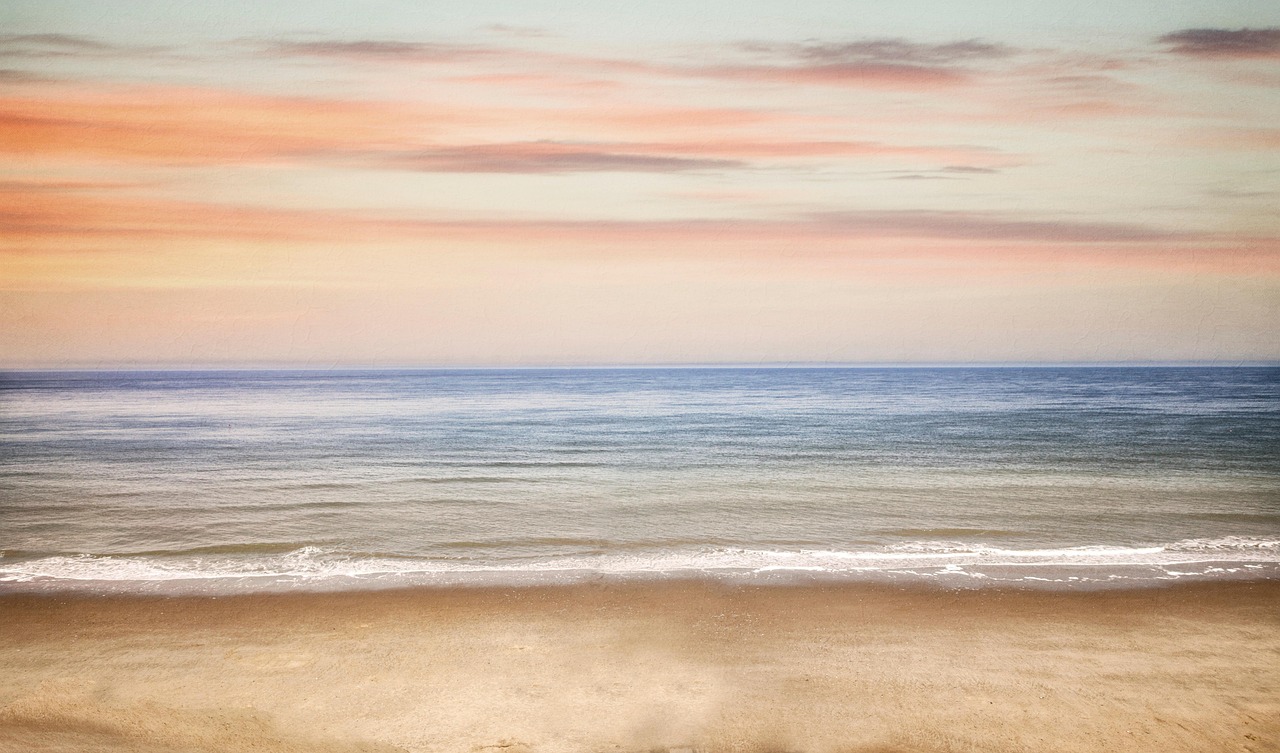
Caladesi Island State Park
The other island you take a boat to — a short ferry from Honeymoon Island lands you on one of the last undeveloped barrier islands on the Gulf coast: white sand, a mangrove paddling trail, and no condo in sight.
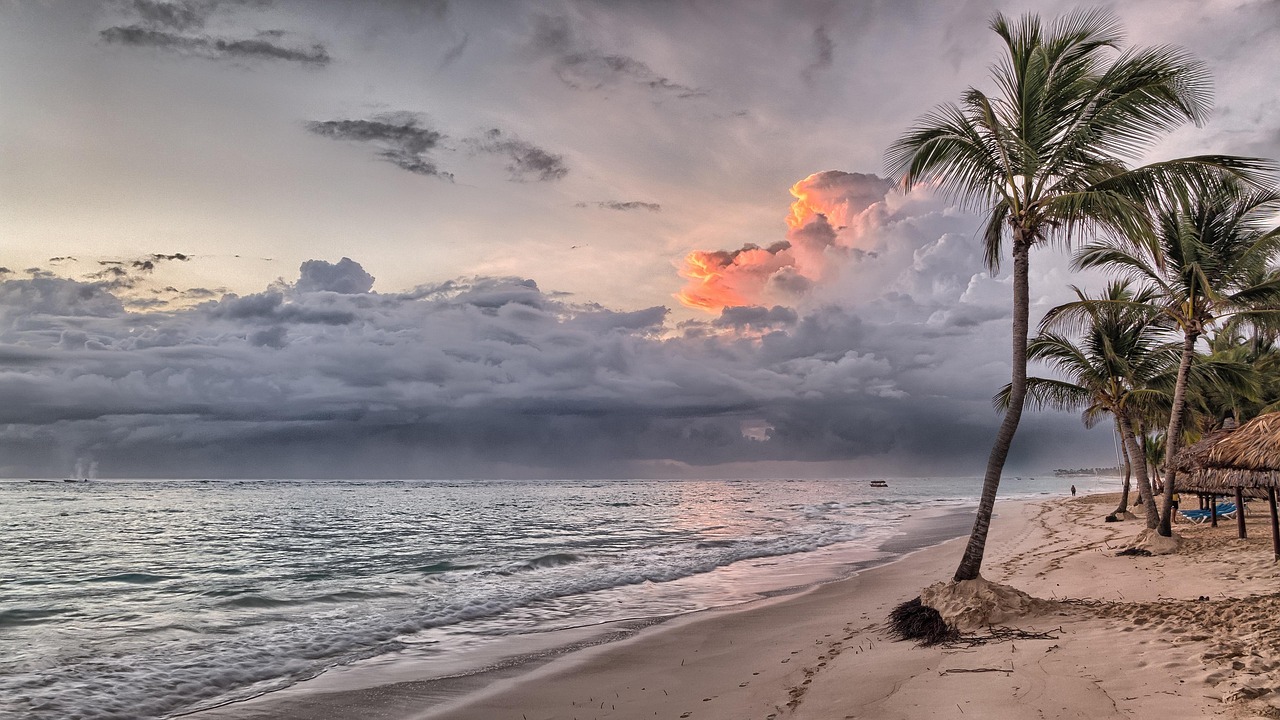
Clearwater Beach
The bay area's headline beach — wide white quartz sand, calm shallow water, the Pier 60 sunset tradition and a walkable strip of hotels and restaurants. Still repairing in places after 2024, and still glorious.
Tarpon Springs Sponge Docks
America's most Greek waterfront — sponge boats, bakeries and tavernas along Dodecanese Boulevard, sponge-diving demonstrations on the Anclote River, and a cathedral with a famous Epiphany dive.